Bollywood, India’s largest film industry, has been the heartbeat of entertainment for over a century. From its humble beginnings to the dazzling world of blockbusters, it has evolved dramatically. The journey from the silent films of the 1910s to today’s multi-crore, high-octane hits is nothing short of magical. Let’s dive into this incredible transformation of Bollywood and how it captured the hearts of millions.
The Early Days: Black & White Magic
In 1913, ‘Dadasaheb Phalke‘ created India’s first silent film, Raja Harishchandra. A simple story, it laid the foundation for an industry that would eventually become a global sensation. These films had no dialogues or songs, relying entirely on expression and music. For the actors, it was all about body language, facial expressions, and exaggerated gestures.
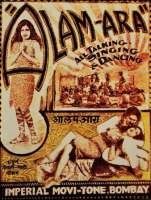
Though sound came into play in 1931 with Alam Ara, the stories stayed close to Indian culture, folklore, and mythology. Bollywood films reflected the country’s emotions, from the struggle for freedom to tales of love and sacrifice. These early films created a connection with the audience through simple plots and timeless values.
The Golden Era: 1950s and 1960s
Ask any Bollywood fan about the ‘golden era,’ and you’ll instantly see a smile on their face. The 1950s and 1960s were iconic. This was when Bollywood bloomed.
Directors like Guru Dutt, Raj Kapoor, and Bimal Roy created timeless classics. Movies such as Mother India (1957), Mughal-e-Azam (1960), and Pyaasa (1957) showed the industry’s deep, artistic side. These films were not just about entertainment—they mirrored the social and political landscape of the time.
Music played a big role too. Songs weren’t just filler content. They carried emotions, helping the audience connect with the characters. The voices of singers like Mohammed Rafi, Lata Mangeshkar, and Kishore Kumar became favourites. People would line up at cinema halls not just to watch the films but to hum along with their favourite tunes.
The 1970s: Rise of the Angry Young Man
By the 1970s, Bollywood took a bold turn. It wasn’t just about romance and social commentary anymore. The entry of Amitabh Bachchan, the ‘angry young man’ of Indian cinema, changed everything. The era saw films reflecting frustration with corruption, unemployment, and the challenges of a growing India. Films like Deewar (1975) and Sholay (1975) changed the landscape.
This was also the time when Bollywood masala films, complete entertainers filled with action, romance, and drama, became popular. If you were to ask someone about 70s Bollywood, they would probably hum a Sholay dialogue or mention Amitabh’s swag. The ’70s set the stage for larger-than-life heroes, thrilling plots, and unforgettable villains.

The 1990s: Romance Takes Over
Then came the 90s, the era of love stories and heart-throbs. Shah Rukh Khan, Aamir Khan, Salman Khan, and Madhuri Dixit ruled the screens. Films like ‘Dilwale Dulhania Le Jayenge’ (1995) and ‘Hum Aapke Hain Koun’ (1994) showed us love in all its filmi glory. Romance was the essence, and Bollywood ensured it tugged at the heartstrings.
Music became even more important in these 90s Bollywood films. No Bollywood wedding was complete without dancing to ‘Mehendi Laga Ke Rakhna’ or ‘Pehla Nasha’. Directors like Yash Chopra and Karan Johar mastered the art of making films that revolved around love, families, and relationships, keeping the emotional connect alive.
The 2000s: Bollywood Goes Global
With the turn of the millennium, Bollywood became a global sensation. Movies weren’t just limited to India; the diaspora worldwide made films like ‘Kabhi Khushi Kabhie Gham’ (2001) and ‘Kal Ho Naa Ho’ (2003) box office successes beyond borders.
But the 2000s were not just about family drama. Directors like Farhan Akhtar, Anurag Kashyap, and Rakesh Roshan brought fresh narratives. Lagaan (2001), Dil Chahta Hai (2001), and Rang De Basanti (2006) changed the way Bollywood defined storytelling. There was a new, modern Bollywood, a mix of tradition and contemporary issues.
And, how can we forget the rise of Bollywood’s global icons? Actors like Aishwarya Rai and Priyanka Chopra became international stars, attending Cannes and making waves in Hollywood. Bollywood wasn’t just an Indian obsession anymore, it was becoming a worldwide craze.
The 2010s to Now: Big Budgets, Bigger Films
Fast forward to the last decade, and Bollywood’s journey continues to amaze. Blockbusters like ‘Dangal’ (2016), ‘Baahubali’ (2015, 2017), and ‘Pathaan’ (2023) show that the industry has embraced the trend of big-budget, larger-than-life films. These aren’t just movies; they are events! Spectacular visuals, massive sets, and high-octane action sequences are now the norm.
But alongside these blockbusters, there’s a growing demand for more meaningful cinema. Movies like ‘Andhadhun’ (2018), ‘Article 15’ (2019), and ‘Gully Boy’ (2019) show that audiences still crave substance. Today’s filmmakers are experimenting with genres like never before, blending entertainment with socially relevant themes.

The Changing Face of Bollywood
One of the biggest transformations has been the rise of OTT platforms. Today, films release on platforms like Netflix and Amazon Prime Video just as eagerly as they do in theatres. This shift has also led to the rise of a new crop of actors and directors who are not afraid to challenge traditional Bollywood norms.
Content is king, and with streaming services, Bollywood is no longer restricted by geographical boundaries or language. Subtitles have made it easier for international audiences to enjoy films in their native tongue.
What’s Next in Bollywood?
As we look to the future, one thing is certain – Bollywood will keep evolving. The hunger for fresh content, new faces, and innovative stories will drive the industry forward. With the explosion of digital platforms, indie films, and even crossover cinema, Bollywood is becoming more diverse than ever.
From the early classics to the mega-blockbusters of today, Bollywood has shaped and reshaped itself to reflect the times. Yet, at its core, it remains the same – a source of entertainment, emotion, and escape for millions around the globe.
And that’s what makes Bollywood so special. It grows, adapts, and evolves, just like the people who watch it.

 PANORAMIC RIPPLES
You must be logged in to post a comment.